
Why Punishing Your Defiant Child Makes Everything Worse
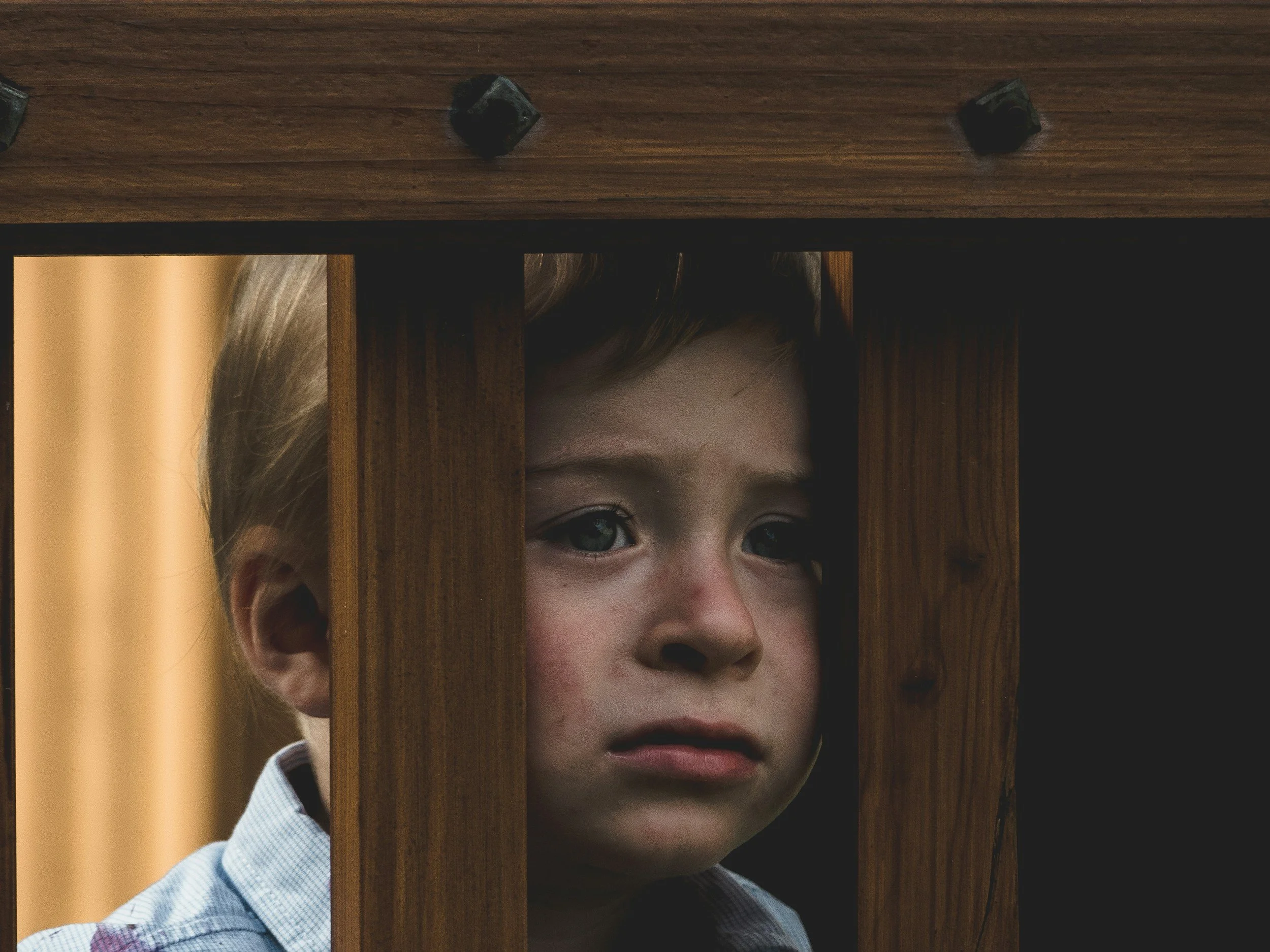
SEO Title: Why Punishing Your Defiant Child Makes Everything Worse URL Slug: /blog/why-punishing-defiant-child-makes-everything-worse Meta Description: Rewards, punishments, therapy — nothing works for more than a few days. A child psychologist with 35 years of experience reveals what's actually going on and what to do instead. Target Keywords: defiant child, ODD parenting, oppositional defiant disorder, child won't listen, punishing defiant child
The rain tapped gently against the window as I sat across from Mark and Angela. Their fourteen-year-old son hadn't spoken to them in weeks, except to demand money or argue about screen time.
"We've tried everything," Angela said, her voice cracking. "Rewards, punishments, family therapy, even a wilderness program last summer. Nothing works for more than a few days."
Mark nodded, jaw tight. "I'm starting to think there's something fundamentally wrong with him — or with us as parents."
After thirty-five years as a clinical psychologist, I've heard some version of this from hundreds of families. And my answer is always the same:
There's nothing wrong with any of you. The problem isn't your child or your parenting — it's the absence of a specific culture in your home.
The Biggest Secret in Parenting
The number one cause behind parent-child mistrust is what I call "forced goodness" — and it's destroying relationships in homes everywhere.
Think back to when your child was small. You comforted them when a block tower fell. You encouraged another try after a stumble on a bike. That beautiful dance of exploration, failure, comfort, and growth — that was trust being built.
But then something changed.
I was sitting in a coffee shop when I overheard a mother on the phone with her son's teacher: "Yes, Mrs. Peterson, I understand he's falling behind in math. I'll make sure he finishes all his homework tonight, even if we're up until midnight."
She hung up, turned to her exhausted eight-year-old, and transformed from his safe harbor into the homework police. He slumped in his chair, pushed away his worksheet, and whispered, "I'm just stupid, aren't I, Mom?"
The light in her eyes dimmed as she realized what had just happened.
From Safe Harbor to System Enforcer
Here's what happens in thousands of homes every day. The school calls about problems. The parents — wanting to be responsible — become what I call "make-sure parents."
I'll make sure he does his homework. I'll make sure she studies for the test.
This means dragging them through every obligation: waking them up, getting them dressed, ensuring they eat, preparing their backpack, checking for assignments, making them catch the bus. After school, it's forcing homework, monitoring snacks, stopping arguments, limiting screen time, demanding showers, and enforcing bedtime.
The results are devastating.
First, your child no longer sees you as their safe harbor. You've become an extension of the system that makes them feel inadequate.
Second, parenting becomes a dreary, joyless cycle of reminders, checks, and consequences.
Third — and this is the one that breaks my heart — your child begins to hide who they really are. When the adults they most admire view them as inadequate, children protect themselves by putting on masks of compliance or rebellion. They lose touch with their authentic gifts. Without that anchor to their true self, they're vulnerable to anything — negative peers, screens, withdrawal — just to feel like they belong somewhere.
The Question Nobody Asks
I can't stress this enough: no child wakes up wanting to fail. Every child has a natural desire to succeed and feel competent. When they refuse to cooperate, it's not defiance — it's self-preservation.
One of my clients, a twelve-year-old named Sophia, was failing science. Her parents punished her daily for incomplete assignments until she finally broke down: "I can't understand anything in that class! Everyone else gets it immediately, and I feel stupid. So I just stopped trying."
If I have to bribe, threaten, or force you to practice guitar, will you ever play when I'm not watching? Of course not. Lasting change only comes from chosen behavior.
Mark admitted to me: "I've told my son a thousand times to hang up his coat. A thousand times! When will he learn?"
I asked gently, "Has he chosen to care about hanging up his coat — or is he doing it to avoid your anger?"
The light bulb moment was visible in his eyes.
What to Do Instead
When the school calls about problems, you have a choice. You can continue being the make-sure parent — or you can remain their safe harbor.
Receive them with understanding. Comfort their feelings of failure. Then advocate for them in the environment.
One family I worked with transformed their approach. Instead of pressuring their son Marcus, they truly listened to his struggles and met with the teacher together. They helped negotiate accommodations that put success within reach — shorter assignments focused on key concepts, visual learning options, regular breaks.
The magic happened when Marcus chose one of these options himself. Because he made the choice, he felt ownership. The change was dramatic — precisely because expectations were within reach and he felt he could win.
Angela looked at me with hope: "So we need to find what our son is naturally good at — his talents — and help him choose solutions for the other areas?"
Exactly.
Try This Tonight
That evening, instead of asking about homework when their son walked through the door, Mark sat beside him and said:
"I'm glad you're home. Tell me about the best part of your day."
For the first time in months, his son looked up and actually answered.
Before you try to change anything about your child, ask yourself: When was the last time I was truly my child's safe harbor instead of their homework police?
This week, replace your usual first question when they come home with one of these:
"I'm glad you're home."
"Tell me the best part of your day."
"What made you smile today?"
You're not fixing problems this week. You're reconnecting as their safe harbor. Pay attention to how their body language changes. Do they open up more? Shut down less?
That shift — from forced goodness to chosen goodness — is where everything begins.
Dr. B is a licensed clinical psychologist with 35 years of experience specializing in self psychology and oppositional defiance. His 4 LAWS framework has transformed hundreds of families. Want to go deeper? Visit 4lawsacademy.com for free tools, courses, and a community of parents making this shift together.